
RAT CONTROL – WHAT TYPE ARE THEY?
Isn’t a rat a rat?
It is crazy, but the answer is … No!
This is probably the most common misconception that we have when we are first called out to service our clients. Most people seem to understand that mice and rats are different in at least their size, but it is important to note that the species of every rodent is significant in their behavior and how to finally get control of them.
In the Puget Sound area, we have two different rat species, the Norway Rat (species name is Rattus norvegicus) and the Roof Rat (species name is Rattus rattus). Up until about 20 years ago the more common rat would have been the Norway Rat. But over the past two decades the roof rat population has exploded in the Seattle area and they continue to spread further out into smaller communities and greenspaces.
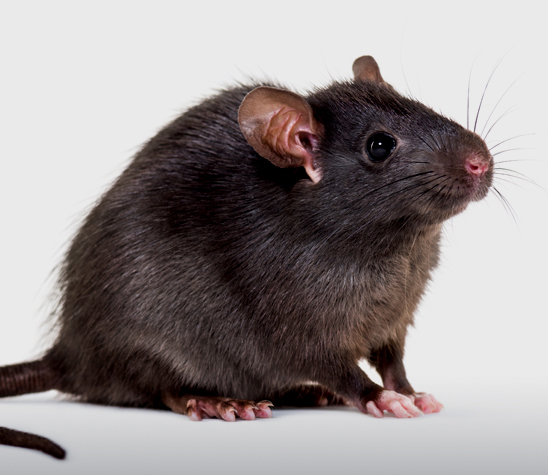
Roof Rat
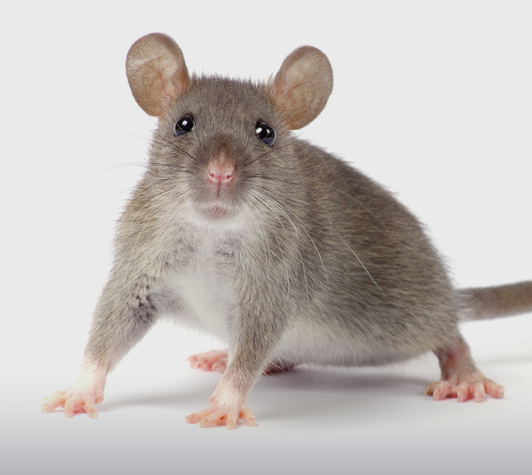
Norway Rat

RAT BODY SHAPE AND BEHAVIOR
Norway Rats are large, love burrowing and typically feed off human garbage. They are big, mean and will fight with each other and other animals. They have small, squinted eyes, blunt noses, and small ears, making it easier for them to burrow in the soil and defend themselves when fighting. Norway rats are the typical “city rat”.
While Roof Rats can get almost as big as a Norway rat, they are usually a little smaller. They love climbing vegetation while using their long tail and prefer to feed off natural foods like seeds, nuts, and fruits. They reproduce quickly and are not aggressive, often foraging for food in the neighborhood as family units. Their eyes and ears are big allowing them to be more alert to natural predators while running along a fence line or climbing trees.

DAMAGE RODENTS CAN DO TO A HOME
Even though Norway Rats are larger and aggressive, surprisingly they do not do that much damage to a crawlspace if they find a way in. Norway rats tend to stay isolated in the sewer systems or outside in the yard near chicken coops and garbage. If they get inside a crawlspace they just stay on the ground or on the vapor barrier.
In about two years roof rats can completely destroy a crawlspace because they will naturally climb up into the insulation under the flooring and nest in it. As sections of insulation are contaminated and fall down, the roof rats just move over to a new area and create another nest. Because they naturally love to climb, they will also easily move into the attic insulation and walls causing more damage to the home.
